
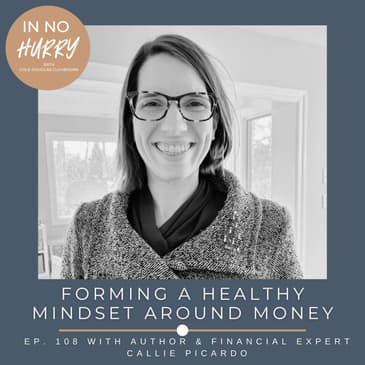
I'm excited to welcome back a repeat guest this week as Callie Picardo joins me to talk about the latest book she and her husband, Rosario, wrote called, "Healthy Money: A 30-Day Journey Toward Spiritual, Emotional, and Financial Freedom." Our book isn't just about financial tips; it dives into the emotional and spiritual sides of money, offering a fresh perspective on financial freedom.
Through this 30-day guided journey, "Healthy Money" challenges readers to explore their money mindset, revealing the deep-seated beliefs and emotions that influence their financial decisions. It's a tool for profound healing, aimed at transforming one's financial life from the inside out.
I also encourage you take the Healthy Money Mindset Assessment, which can help you on your journey to financial health and freedom: https://www.surveymonkey.com/r/QK36T7R?fbclid=IwAR0yVzunGwI3VTJ3eGwzfKVFyrIs18lL3d313PC2OhwfBnCBYBvQI-outys
Roz and Callie were on Episode 75 where we talked about their previous book, "Money Talks: A Biblical Take on Earning, Saving, Spending, and Giving," so be sure to check that out after this one: https://podcasts.apple.com/us/podcast/episode-75-biblical-approaches-to-managing-your-money/id1489106099?i=1000538891235
They both have a podcast together — The Better Together Podcast — which I recommend listening to along with reading their book. You can follow Callie on Instagram @callie.picardo.
I'd also love for you to connect with me on Substack on "The Road Ahead": coledouglasclaybourn.substack.com. You can also find more of my articles and content at coleclaybourn.com and on social media:
Instagram: @coleclaybourn
Twitter: @ColeClaybourn
Also find me on Facebook at facebook.com/ColeDouglasClaybourn
[00:00:05] Hey friends, welcome back to another episode of the In No Hurry podcast. This is your host, Cole Douglas Claybourn.
[00:00:15] So happy to be back with you guys with another episode.
[00:00:19] Taking a little bit of a short break to start the year. Life and work have just gotten a little bit hectic
[00:00:24] And so had to pull back a little bit on some creative projects that I've been working on
[00:00:28] But nonetheless excited to be back with you guys with another conversation
[00:00:32] And this one I think it's always timely when we talk about money
[00:00:36] But this one I'm really excited for my guest this week is Cali Picardo
[00:00:40] And if that name sounds familiar she and her husband Rosario were on episode 75 back in
[00:00:48] 2021 we were talking about one of their previous books and they've got a new book out
[00:00:52] It's a 30-day devotional called healthy money. It's a journey toward spiritual emotional and financial freedom
[00:01:00] I think this is just such a great conversation and I encourage you all to get a copy of this book
[00:01:04] It just came out toward the end of March
[00:01:06] And I'm excited to share this conversation with Cali because I always love talking to authors about
[00:01:12] What the heart is behind their book?
[00:01:15] And I love that question specifically for this conversation because their book really dives into the heart aspect of how we approach money
[00:01:25] This book and the conversation really dive into the emotional and spiritual sides of money and how we save
[00:01:31] How we view this idea of money and how it affects our lives and how we put it into the context of our lives
[00:01:38] And what's really cool about Cali and Ros
[00:01:41] Writing this book together is that they really compliment each other in terms of their expertise
[00:01:45] Cali has nearly 20 years of experience in finance with over 15 years in fundraising and charitable giving
[00:01:51] And also owns her own financial coaching business while Roz has a theology background
[00:01:56] Was worked in ministry has a master of divinity from asbury theological seminary
[00:02:01] They combine all of that to give you a really healthy perspective from both the financial and the theological side of how to approach money
[00:02:10] I'm bummed Roz was not able to join us this time
[00:02:12] He had something come up today that we recorded and it was unable to join but nonetheless
[00:02:17] Excited to have Cali with us and to share her insights
[00:02:20] So hope you enjoyed this conversation with financial expert and author Cali piccardo
[00:02:31] Well Cali welcome back to the show. This is your second time on we're missing your husband Rosario
[00:02:35] I wish he could be with us this week, but welcome back to the show
[00:02:38] We get to talk about some more of your guys's work and the topic of money
[00:02:41] It's exciting to have you back on here. How are you doing?
[00:02:44] Doing great Cole. Thanks so much for having me and Roz wanted to be on here of course
[00:02:48] So it didn't work out today, but just so excited to share about our new book healthy money
[00:02:53] Yeah, I had a great time talking with you guys a few years ago about money and we were just discussing before we recorded about
[00:02:58] Just how hard this topic can be for anybody and I know specifically for my generation millennials
[00:03:03] It's it's especially a it's a it's a really difficult topic
[00:03:06] So I'm excited to talk to you. This is called healthy money a 30 day journey towards spiritual emotional and financial freedom
[00:03:14] It sounds like something that anybody can find practical
[00:03:17] Where did the heart for this this devotional this book come from?
[00:03:22] Was there something that happened in your life or was it just kind of a felt need that you realized a lot of people were needing
[00:03:27] I guess kind of in that post covet era down, you know the money the money situation
[00:03:32] Was difficult during then and I think we're still finally recovering from that. But yeah, where did the heart for this come from?
[00:03:37] Yeah, we'd written a book before called money talks that we were sharing about on your podcast before and that one's more
[00:03:42] It's it's heart related but a little more how-to
[00:03:47] But we know so many people that know
[00:03:49] What they should do with their money who don't necessarily do it, you know, they know they should have a budget
[00:03:54] They know they should avoid debt. They know they should say for long term purchases
[00:03:57] They they know they should say for retirement and things like that
[00:04:01] But it's not a knowledge thing always sometimes there's an underneath
[00:04:05] Geese inside that just needs some inner heart work and so we really structured this as a 30 day devotional
[00:04:12] You know 30 days I can do something for 30 days if you want me to do something for five years
[00:04:16] I don't know but 30 days I can commit to 30 days
[00:04:20] And there's just there's a devotion every day with some reflection questions short and easy with some scripture to go with it
[00:04:25] but
[00:04:27] The goal is to walk through it with God to let God do just peel back a layer and see what's going on underneath whether
[00:04:34] That's this kind of how we're wired, you know
[00:04:37] My husband and I are married. We do finances together, but we are wired differently. We have different personalities and
[00:04:43] that impacts
[00:04:45] Both how we do finances and also how we talk about money together and that can be a stressor in a lot of relationships too
[00:04:52] But also looks at how you were raised. I mean res does a lot of premarital counseling
[00:04:56] And he always brings me in on those and one of the questions we always ask couples as they're getting married
[00:04:59] Well, what did you see? How did you see money handled when you were a child?
[00:05:03] Was it talked about was it a stressor?
[00:05:06] You know
[00:05:07] What you know what what were the dynamics around there because some of what we've caught from our family of origin
[00:05:13] Impacts how we do finances and then our own life experiences too
[00:05:17] And so it kind of does some of that peeling back naming what's there
[00:05:21] But then figuring out okay, god
[00:05:22] What how do you want to bring a healthy relationship with money and so kind of walking through some of the healing as well
[00:05:29] Yeah, that's great. Yeah, because it says i'm reading just kind of the the overview of it
[00:05:32] It's a 30 day guided journey that takes you beyond your budget and bank
[00:05:36] Bank balance and into the emotional and spiritual roots of your money patterns
[00:05:40] I think that that is something that is often overlooked
[00:05:43] I think you know, we hear a lot about the practical steps of saving and all that but
[00:05:47] A lot of times like you mentioned it's hard to reverse course if you don't address
[00:05:52] Some of the roots behind it, you know, if maybe uh, like I know for me
[00:05:57] I going out to eat had always been like this sort of dopamine rush type of thing
[00:06:02] Like oh, I feel better if I go out and get coffee or go get food and it's sometimes easier than making food
[00:06:08] And it just there's something exciting about being out in public
[00:06:11] There's just like little things that you can maybe point to like, you know
[00:06:14] I know some people they like to go shopping as maybe a therapeutic type of thing and they feel
[00:06:19] Uh, that dopamine rush or just they feel like serotonin or something whenever they go out and they purchase something
[00:06:24] And so I don't know that a lot of us spend as much time as we should about
[00:06:28] addressing those roots
[00:06:31] It's so I know this is kind of looking at the emotional side of it, but just I guess from the
[00:06:37] From the top. I mean some practical ways. I mean, how can somebody identify?
[00:06:41] What maybe some of those emotional or spiritual roots are that lead to some of their
[00:06:47] money-spending habits
[00:06:50] It's gotta take the holy spirit revealing so prayer is a big piece of it and one of my
[00:06:55] Favorite scripture versus to pray is Psalm 139 versus 23 and 24
[00:07:00] And it it's a search me. Oh god and know my heart
[00:07:04] Test me and know my anxious thoughts see if there's any wicked way in me
[00:07:08] And then don't leave me there god leave me in the way everlasting
[00:07:12] You know, it's asking god. Okay, search me know
[00:07:15] What's going on in my heart god? You know me better than I know myself what whereas
[00:07:20] Maybe a lie got internalized that
[00:07:25] I'll feel better if I do this whereas a
[00:07:27] Just addiction maybe that addiction to shopping addictions to gambling or expenses from other addictions
[00:07:34] You know, where is that possibly gotten in?
[00:07:36] Um, some even just habits like where have I just gotten into this habit? That's not a healthy
[00:07:42] life-giving habit, but it's just become my norm and so
[00:07:46] Lord, where where is have I just gotten off course that needs to be redirected?
[00:07:52] Let's also asking god. Okay. God how you wired me
[00:07:55] So we've got five different financial mindsets that are a part of this book and we've got an assessment
[00:08:00] That's free out there cool. I can send you the link for that as well to share with listeners
[00:08:04] But the free assessment to figure out which one fits you and so everyone's different
[00:08:08] And the idea is none of the mindsets are bad
[00:08:10] That's our bad, but some of the mindsets are bent towards certain things. So
[00:08:15] One of the mindsets is the security mindset. That's mine. That's the one that
[00:08:19] You know, I'm really good at setting a financial goal and working toward it, you know study plod
[00:08:24] And I'll do that I get stressed out by big purchases. Sometimes I don't want to send money
[00:08:29] like I have some of it control can be a part of it too and so
[00:08:34] Um, there's that side of it. I mean, maybe it's not a bad spending pattern
[00:08:37] But maybe it's a just where you're how much money is in your bank account has become
[00:08:44] More a source of security
[00:08:46] than god and so it can be a pattern it can be a
[00:08:50] Just a heart issue where you know, if I don't watch it money can become an idol where I'm depending more on
[00:08:56] Finances than I am on the lord
[00:09:00] That's really good. Yeah, I'm just thinking about even our own situation
[00:09:03] I mean, we bought a house last year and you know, we're trying to pay down some debt
[00:09:07] We've got my wife's grad school debt
[00:09:08] We've got my own undergrad debt still and my wife had to buy a car which I was sharing with you before
[00:09:12] We had to buy her a new car back in 2022
[00:09:15] Because her car just bit the dust and we already paid it off and it was like gosh
[00:09:18] We don't want to take on new debt and at that time
[00:09:21] It was almost more expensive in some cases to buy a used car than it was just by brand new car
[00:09:25] And we were like well, we might as well just get a new car
[00:09:27] And so it was unplanned and now, you know, we're trying to attack the debt and do what we can
[00:09:32] We've gone through the ramsey chorus and all that and
[00:09:35] But it is it is definitely an anxiety thing
[00:09:37] Especially, you know for young homeowners or new homeowners where you have all kinds of different expenses that maybe you didn't have when you were renting
[00:09:44] And it's very easy for the expenses to add up and catch up with you and you realize okay
[00:09:49] Our bank account is not what it used to look like and yeah, that's definitely a we can definitely
[00:09:56] Resonate with that with that emotion and I've heard we lead a small group at our church
[00:10:00] And you know, I've heard different approaches from the people in our small group
[00:10:04] Just about how even between couples how the wife and husband differ and how they spend money
[00:10:10] You know one can be can be really
[00:10:12] conscientious about saving and almost to the point where you know, they want to save to a
[00:10:17] I don't want to say obsessive. It's not obsessive at all
[00:10:19] But it's like they're definitely more conservative and saving where others are are seeing, you know more reasons to spend
[00:10:24] How can couples have that discussion and come to a
[00:10:28] And maybe even if this is just a a single person listening to I mean, how can somebody come to a consensus where there's a good balance of
[00:10:36] saving but also knowing when to spend because you know, I think
[00:10:39] I don't want people to feel like I would never want to I would never want to feel personally that I have to just always always
[00:10:44] Always save it's like, you know
[00:10:45] I want to be able to spend on some things that I want to spend it on
[00:10:47] But there's a balance where you don't want to just buy everything and put it on a credit card and worry about it
[00:10:51] Later, there's there's a balance there. So
[00:10:53] Um, does the book address that and and how even as you guys, you know, you guys talk about finance and
[00:10:59] Spiritual health all the time. So how would you guys advise?
[00:11:03] couples attacking that conversation and finding that balance of spending versus saving
[00:11:08] I mean, it definitely is a balance and so for
[00:11:11] Me the heart's the biggest piece
[00:11:14] um
[00:11:14] That's and that's a big part of what the devotional gets to and it was written very much where
[00:11:19] Individual could go through it a
[00:11:21] A couple could go through it together. We were thinking our heads out
[00:11:24] You know the premarital conversations we've had as well as like the in the middle of marriage
[00:11:28] We're finding this becomes attention conversations. We've had with couples
[00:11:32] Small groups could do it a church could you know, it could be used in a variety different ways
[00:11:35] And there are some spots to be able to pause and reflect
[00:11:38] As an individual as well as some questions that can become the point of sharing
[00:11:44] You know the spot where you can share as much as you're comfortable with because I know some people don't want to share their finances
[00:11:50] But with that spending saving it is hard and different people are wired differently. I'm definitely in our marriage
[00:11:55] I'm the I'm the saver rose is more the spender and so we balance each other out in a healthy way
[00:12:00] That's good
[00:12:02] but it requires that open dialogue and naming some of the the stressors as well and um
[00:12:10] For me, I have to just constantly surrender and say okay god all I have is yours
[00:12:14] Lord, I want to trust you more than I trust the finances
[00:12:19] You know and rose has to make sure he's doing this study saving as well. And so
[00:12:24] A big thing that's helped us is to name our values
[00:12:27] Okay, what are the things that are most important to me and the book gets into some of that?
[00:12:32] Financial alignment, you know
[00:12:34] They always want to check the alignment on my car when I take it
[00:12:36] I just want an oil change and then one of them to tell me my car is fine. It doesn't always a bunch of stuff wrong with it
[00:12:42] they always something else and so
[00:12:46] Often it's the alignment the alignments off we need to do a realignment
[00:12:50] And for some reason you have to spend extra money for it
[00:12:52] And I was like, do you know what?
[00:12:54] Is this really something I need to spend money on like how
[00:12:57] What's the major damage if I don't do it?
[00:12:59] But over time if the alignment of the car is off
[00:13:01] It's gonna you're going to feel it pull in on the steering wheel
[00:13:04] Like you're always drifting when you're trying to go straight and it's going to start to rub those tires wrong
[00:13:09] And so those tires are going to wear out faster
[00:13:11] And there's just more that happens over time if the alignment's off
[00:13:14] And so when you say god help me to realign lord
[00:13:18] Send me in the way of the last thing. What's that pass that you have for me?
[00:13:20] What are the values you've given me what's important to me?
[00:13:24] Okay, lord help me to align my spending with that. So for us giving is a big piece
[00:13:28] So we always put giving in first and
[00:13:31] My husband being more spontaneous was always doing spontaneous giving which was always breaking the budget. Well
[00:13:37] So we budgeted for spontaneous giving because we wanted to have some money set aside that if a need popped up
[00:13:43] We could respond
[00:13:45] Um, so we put giving in there and we put savings in there because we want to be able to retire at some point
[00:13:50] We'll probably still do ministry, but we don't want to have to worry about the paycheck
[00:13:54] So we're trying to save for retirement
[00:13:56] um, but then we've got young kids and we want to do special things with them and so for us
[00:14:03] Sitting aside funds to do an annual family vacation
[00:14:06] That's something that we want to spend money on because that aligns with our values
[00:14:11] And so you can start to ask some of those values questions and then start to see okay
[00:14:16] Where might we be off?
[00:14:18] Um
[00:14:19] You know, we've also always tried to live in the neighborhood where our church is and when Mara's and I met
[00:14:23] Married we were in a nicer neighborhood because it's I had a house before we married
[00:14:28] But our church was downtown. It was urban. We were doing a lot with the homeless population and
[00:14:33] So for us at that at that point in life, we really felt like the lord was saying
[00:14:38] I want you to move downtown to be near where the church is
[00:14:41] um
[00:14:42] That we sold our nicer home and bought a less expensive home
[00:14:45] That really aligned more with our values and the mission and ministry we were dealing in so
[00:14:50] If you started to ask those
[00:14:52] What do I value?
[00:14:53] But if I look at where my money's going, what does that say I value?
[00:14:57] um, you know, that can be a good
[00:15:00] a good litmus test of
[00:15:02] Okay, what do things line up? I mean another small example is
[00:15:08] You know, I I don't struggle with alcohol dependency and so I would have an occasional drink
[00:15:13] But then I started looking at how much money I was spending on it because if you have a drink
[00:15:18] Or two here and there when you go out it adds up. Yeah, and I just realized
[00:15:22] I'd rather use that money for something else and so even though it wasn't an addiction issue. It was a
[00:15:28] values alignment for me of saying, okay
[00:15:31] I'm gonna cut out most of my drinking
[00:15:33] More just so that I can send that money where I really want it to go. Yeah. Yeah, that's that's hard. I mean I have uh
[00:15:40] We budget how much money we can spend at our favorite coffee shop here in town
[00:15:46] And it's funny because every month we load money onto a gift card
[00:15:49] At the from the shop and that's how we do it and that's also so we don't see a bunch of transactions to
[00:15:56] Spencer's coffee in bull and green
[00:15:58] We love them and and we want to you know, we want to support a local coffee shop
[00:16:01] But we also have to limit it and and there have been plenty months where I go over the budget and you know
[00:16:06] My wife who graciously takes care of our of our budget
[00:16:09] She she basically writes down every expense and we talk about it together
[00:16:12] But we probably need to be talking about it even more than we do
[00:16:15] But you know, we really are trying to be more conscientious about
[00:16:18] You know, where does our money go and what can we cut out and what can we limit and things like that?
[00:16:22] And even just realizing like I was spending $15 a month on audible
[00:16:26] You know for books to come through and I used it a lot when I was a teacher because I would play books on it
[00:16:30] And I would count that as an educator expense and now like while I love listening to audiobooks
[00:16:35] I just I don't listen to them as often and so I was like yeah
[00:16:37] I can definitely pause that for a while or even cancel it and so little things like that where even if it's $15 a month
[00:16:43] Just going through what do we need? What do we don't need and it's hard. It's really hard to have those conversations
[00:16:48] It's not always fun to talk about money
[00:16:51] And you know, there's plenty times enough rad rad would rather be doing other things
[00:16:53] But I realize how important it is and and one of the things I think your book gets at
[00:16:57] Uh, I've kind of read in the bio of it is talking about financial trauma
[00:17:01] Could you define could you define what that is and and maybe why?
[00:17:06] That makes some of these conversations so challenging and then even where it's hard to cut out certain things
[00:17:13] Are a reverse course because I would imagine you know if
[00:17:16] Depending on what the details are it can be really difficult for somebody to reverse course if they've seen something done a certain way or
[00:17:22] Something's just ingrained in them. So how would you define financial trauma and how can that affect some of these conversations and decisions?
[00:17:29] Yeah, it can look different. But you know Thomas that
[00:17:33] Those things that happen does that really kind of impact us to the core
[00:17:36] I mean whether it's having a file bankruptcy, whether it's a messy divorce where
[00:17:42] your ex takes everything whether what he even
[00:17:46] Had your fraud and that take advantage of you and
[00:17:51] Then had been trying to dig your way out of it. Um, it could be just
[00:17:56] you know
[00:17:57] Undoing years of bad financial management, especially if someone else was the one who hurt your credit
[00:18:03] I think of trauma is more what's happened to you from others rather than your own life choices
[00:18:08] But where you've had those experiences that have just set you back and then you've had to start to rebuild
[00:18:16] And you're
[00:18:18] Coming out from that but it just sometimes it feels like it's been such a major setback in life
[00:18:26] And maybe it's you lost your you lost your job or you had a medical thing that
[00:18:30] Made it where you couldn't work and so everything went on your credit card and it just feels like
[00:18:35] It's hopeless
[00:18:37] Like i'm never going to get out of this
[00:18:39] I'm just not even gonna look at the credit card bills because i'm never going to get through it
[00:18:43] I'm not going to bother to budget because
[00:18:45] Even if I didn't spend a thing it would take me forever
[00:18:48] To get out of this debt that i'm in now it took me forever to rebuild the credit
[00:18:53] and
[00:18:55] It's stopping to name that to name that hurt but also to notice how it's impacting you today
[00:19:02] But doing it with god because we have a god who's the god of hope
[00:19:07] And so taking it to god and saying okay god
[00:19:09] Here is all this lord. I don't even know where to start with stewarding this
[00:19:14] But I don't want to stay where I've been
[00:19:16] So I don't know if I can ever get where I want to be lord. Where do I start today?
[00:19:21] um
[00:19:22] and it's neat because you know
[00:19:23] Res and I have a lot of friends in recovery some of them because of that
[00:19:28] They have had a lot happen in their life that they're rebuilding, you know, and I've got a friend right now who's
[00:19:34] She's finally been able to rebuild her credit score after a year after a year of really hard work
[00:19:40] And she's not a spot where she's able to buy a house
[00:19:43] And just the joy and you know
[00:19:45] But she's staying within budget, you know, she's being very conservative on what she's buying like
[00:19:49] She's just she's done that steady plotting for so long. And so there is hope
[00:19:56] But it some of it takes being around people who have gone through there's power and testimony
[00:20:00] And so sometimes here in the testimonies of others who have overcome trauma as well
[00:20:06] But and are in a healthier spot now
[00:20:08] Not where they would have been if they weren't if in most cases without the trauma
[00:20:13] But that trauma isn't wasted. Yeah, and they've got a story to tell
[00:20:18] Yeah, I think of Job too in the bible who like lost everything. Yeah, and like God was able to restore it
[00:20:25] I mean all hope wasn't lost and that's the hope we have in God
[00:20:28] But sometimes we separate our finances from our fate
[00:20:32] Yeah, and try to approach finances with the the best wisdom of this world or you know, what what the latest
[00:20:40] Pop-up facebook ad is telling us to do because somehow they're always targeting us with these different spills
[00:20:47] And instead of taking it to God and saying, okay, God
[00:20:50] What's your will for my finances? Lord, you know how I'm wired. You know what's happened in the past
[00:20:56] How do I move forward? What's my next step?
[00:20:59] I like that approach of you know, we oftentimes try to seek out the best advice
[00:21:05] Of this world instead of going to God
[00:21:07] And I've struggled with that and I was kind of sharing with you before we reported about the heart behind the book that I'm writing in
[00:21:14] I I have found in my own life and just talking with others in my generation that you know, many of us that are struggling with
[00:21:23] Trying to save for whatever it is. Maybe people want to buy a house or start a family or
[00:21:27] They want to start a business and they're trying to work their way up
[00:21:30] It feels like it's this impossible mountain decline because of how expensive things are
[00:21:35] And I know like when I taught especially
[00:21:38] Almost everybody that I worked with had a second job
[00:21:41] teachers and
[00:21:42] I mean these are hardworking
[00:21:44] Professionals that felt like they needed to work a second job and that's the that's the case for a lot of people now
[00:21:50] Some people it is a passion and they like what they're doing in the second job
[00:21:53] But it's also like they they need that extra income to feel like it's comfortable
[00:21:58] And that was not the case 20 25 years ago where so many people felt like I need to have a second job
[00:22:04] Most people they had one job that paid well and they had benefits and they could take vacations and
[00:22:09] And and it was they lived comfortably and now even people that work two jobs sometimes even three jobs
[00:22:15] Feel like they're barely scraping by and it can feel like this never-ending chase and it feels exhausting
[00:22:21] And it can be frustrating and so I know like for me
[00:22:24] I struggle at times where it's like I want to give this to god. I want to be patient
[00:22:29] But that's the problem is that it's really hard to be patient
[00:22:32] And so and then with with money it can feel like an immediate pressure that's on you where I have this bill
[00:22:38] That's due otherwise it gets sent to collections or I've got this and that going on. I've got to pay rent
[00:22:43] I've got to pay my mortgage and you know a lot of times those deadlines don't wait for god's timing
[00:22:48] And so there's a there's a real life pressure that hits in there where it's like, okay god
[00:22:53] I want to trust you but also like this deadline's coming up and that can really put a lot of people into anxiety mode
[00:22:59] And they maybe try to find gig jobs or go do you know certain things that make some extra money
[00:23:04] So what advice do you have me? You've done young you've done couples
[00:23:08] Counseling and I'm sure this topic has come up. But just anybody who's listening that maybe they feel that pressure and they're working multiple jobs
[00:23:14] They've got you know, several streams of income and they feel like even with that
[00:23:18] They're they're not even putting a dent into what they need to do and it feels exhausting
[00:23:21] They're they're almost impatient waiting on god
[00:23:24] Sometimes I don't even know what to say to myself much less other people
[00:23:27] And it's hard and not that there's a silver bullet but just what is your encouragement or advice to people that are living in that headspace
[00:23:35] And I wish I could say
[00:23:38] ABC answer
[00:23:41] Yeah, the truth is there is not and that's why
[00:23:45] Our hope is that people will take it to god and just say god
[00:23:48] what do you have for me because it's going to look different based on different situations
[00:23:53] and
[00:23:54] Sometimes those past decisions are truly impacting us today. I mean if there's a lot of debt that's mounted up those
[00:24:01] bills do all of that that that's hard
[00:24:05] um
[00:24:05] And everyone's got a different I mean some people have kids they're dealing with too some have a spouse sometimes
[00:24:10] It's them on their own, you know, sometimes
[00:24:12] You know single parent working multiple jobs to pay for multiple kids like that
[00:24:17] Is real that's hard
[00:24:20] um
[00:24:21] It takes some creativity
[00:24:23] And sometimes the creativity is on the income side some of the creativity is on the expense side some of it saying, okay
[00:24:30] What do I really need to be spending some of it's looking like you said Cole like what what subscriptions do I have?
[00:24:36] that I I really just need to give up for a while or and I love that you were doing the um
[00:24:42] Putting loading things on a gift card for the your favorite coffee shop. I mean where you're not not going there but
[00:24:49] You're putting limits on it so that it's not
[00:24:52] Going excessive and the truth is when we're working so hard when we're so stressed
[00:24:59] It can be really tempting to pay for things of convenience
[00:25:03] That then hurt us more financially and so those expenses add up and so I love the
[00:25:08] Name of the podcast in no hurry. It does it does feel like in
[00:25:13] The past was a simpler time, you know, they they just didn't do as much say
[00:25:17] They enjoyed more in nature and that type thing
[00:25:20] And I don't know we can't change the world we live in but we can live differently in this world
[00:25:25] And so some of it's figuring out okay, god
[00:25:28] What is my lifestyle look like in this season?
[00:25:30] And I love thinking about things in seasons that has helped me so much because I'm like well
[00:25:35] You know, that's not what I used to do. Why do I have to do it differently?
[00:25:38] But I'm in a different season and it might not be how I do things in the future either but
[00:25:42] You know the reality is I'm in a season where I got young kids. So that looks differently
[00:25:48] You know and life's busy and my husband are about working and we're trying to figure out how do we do this and so
[00:25:54] The temptation can be to eat out but I've realized my kids, you know, we love breakfast for dinner
[00:25:59] So we do a lot of like eggs and toast for dinner, which is a less expensive meal
[00:26:04] But it's
[00:26:05] Home cooked and it's easy and quick and so some of it has just been figuring out what are our new
[00:26:10] Rhythms and patterns, you know, razz realized he was drinking a lot of hook zero and lacroix and bottled and canned things that cost
[00:26:18] Nice. I was like, you know what?
[00:26:20] Probably be better for me if I just drink water more often. These children can copy we I mean we need our caffeine over at the
[00:26:25] Pocarto household, but you know, he just said
[00:26:28] Water is going to be better for me anyway
[00:26:31] And some of it's hard when the kids are like
[00:26:34] Mommy daddy, we need this well our first grader had
[00:26:38] Bookfare at school and so she came and she said mommy can I have some money for the book fair?
[00:26:44] And we just said we really we've tried to get into the rhythm of going to the library
[00:26:48] What a magical time the book fair was in elementary school though, just as an aside
[00:26:51] My wife and I talk about it all the time just we can still smell it when we walk into the scholastic book fair
[00:26:57] It's uh such a good memory
[00:26:59] Oh, well then I'm gonna dash your memory by telling you what we did with our child Cole
[00:27:04] But we're trying to encourage her with the library like there's because they love going to the library and we try about once a month
[00:27:10] To go to the library to pick out some new books and so we asked her well
[00:27:13] Why do you want to buy something at the book fair? She's like, well, I don't want to be the only one who doesn't
[00:27:17] I'm like, okay
[00:27:19] We don't want to do something just because everyone else is down. I said but if there's a book you really want
[00:27:24] You know
[00:27:25] I'm okay with you buying one how much how much money do you have?
[00:27:28] Oh, yeah, you take out what you've got saved, you know, it's like
[00:27:31] Five or six bucks. I said, well, it will give you four more dollars to round it up to 10 and she said
[00:27:36] Well, I don't want to waste my own money on that
[00:27:40] I said so you want to waste mommy and daddy's money
[00:27:43] So I said, well, how about this take a piece of paper and a pen with you to the book fair
[00:27:48] Write down the books you really want because there was an online ordering if we needed to and I said
[00:27:52] Bring us home and then we'll see if we can get them for the library if we can't and it's something you really want
[00:27:57] We can buy the book and it can be a gift for a future thing
[00:28:00] And so, you know, some of it's stopping and saying, okay now why do you want to spend this money?
[00:28:06] Is it because everyone else is or it just you saw the ad and it just seemed perfect when in reality it's like
[00:28:12] Maybe not
[00:28:13] And is there another option?
[00:28:15] You know, there's a beauty when you can
[00:28:18] enjoy without owning
[00:28:20] You know, so often we feel like oh, we have to have this tool but I think
[00:28:24] You know, we growing up we would borrow tools from
[00:28:28] Others that had them, you know, we didn't have to have every tool in the shed
[00:28:32] You know, if neighbors had one, you know, you could borrow or
[00:28:36] You know the library you can enjoy a book for free. You know, what does it look like to be able to
[00:28:42] Approach even what we have to own differently because then you got to store it and then you got to take care of it
[00:28:47] And there's just a lot more headache that comes from owning some things too
[00:28:50] I mean, I would love it if life was simpler and I had less stuff
[00:28:53] Unfortunately the kids keep bringing things into the household and I'm like, what what what did you get now?
[00:28:59] Like if you what at the toy box at church this little gesso and now we have all these little crickets all over the house
[00:29:04] It's like, okay
[00:29:06] I feel like I'm finding a losing battle some days cool. But that's that's the wisdom I got for you at the moment
[00:29:10] Yeah, that's so funny as you're talking I keep thinking about uh, this book that I read a few years ago
[00:29:16] And I had the author the same as drew dick. He wrote a book called your future self. Well, thank you
[00:29:20] I don't know if you've ever read this book
[00:29:22] But it's one of my favorite books and and he's really humorous on on twitter
[00:29:27] He's a really funny guy and but the book was super practical and it was all about self control
[00:29:32] And one of the things that really stood out to me because I was teaching at the time when I read this
[00:29:37] And I was realizing that
[00:29:39] It was whenever my planning period was or whenever my lunch period was
[00:29:43] um, I would
[00:29:46] Around that time every day my brain would kick in and I wanted a soda at that exact time
[00:29:52] So he described it as you start a day with a certain amount of reserves and willpower reserves essentially
[00:30:00] So as the day goes on stressors happen things happen and you start to deplete that willpower
[00:30:06] And so what happens usually is if you've given into something around a certain time your body almost naturally
[00:30:13] Gives in and I found that it was really difficult like I would go into every school day like okay
[00:30:18] I'm not gonna get a soda today. I'm gonna break this chain
[00:30:21] But as a class would happen and stresses would happen and I you know the day would go on and then my body would start to tell me
[00:30:27] Okay, you need this to almost like you need this to to recoup
[00:30:31] And I was realizing how often I was going to spend a dollar or dollar fit whatever it was on something that was horrible for my body
[00:30:38] You know like i'm already stressed
[00:30:40] And then I'm putting like heavy amounts of sugar and caffeine in my body with the soda
[00:30:45] And that's not helping you know the stress that I have is probably making it worse
[00:30:49] But I just thought that that was such an interesting thing and you know, you're talking about like
[00:30:52] Uh your husband how he realized he was drinking coke zero and all this other stuff and switching to water
[00:30:57] It's really hard. I think for us to have that willpower and self control
[00:31:02] and
[00:31:03] my pastor preached
[00:31:05] Something recently and I made butcher his quote, but it was something about how
[00:31:10] Momentum is the is one of the hardest things to start
[00:31:13] But one of the easiest to continue like once you've already started that momentum
[00:31:17] If you keep going at it
[00:31:19] Then it's really easy like my wife and I have done whole 30 about five four or five times
[00:31:24] If you're familiar with that and we just did it recently in january
[00:31:27] And it was like I I was as I was less strict than I normally am like I was able to let myself drink these lattes
[00:31:33] Which have a little bit of sugar and almond milk in them, but I didn't do it. I didn't drink any alcohol
[00:31:37] I wasn't eating grains or anything and I lost 17 pounds and and I just was like I really like how I feel
[00:31:43] And I've not continued eating exactly like that
[00:31:46] But I have definitely been more conscientious about how much of the other stuff that I wasn't consuming that I consume now to keep that off
[00:31:53] And I realized like it's much easier for me to continue
[00:31:56] Eating and and consuming stuff like that after I've started and like I see it happen for 30 days
[00:32:02] And it's like, okay, I can do that like I the last time I ate McDonald's was the summer of 2011
[00:32:06] I stopped at cold turkey and I've not eaten it since and if I if I ever was to go back
[00:32:12] It'd probably you know be easier to keep going back after that. So
[00:32:15] Um, how can how can people slowly?
[00:32:18] I mean, we know we talked about kind of the the in no hurry aspect of life
[00:32:21] And I love kind of thinking about things in that perspective. I mean things can't be done
[00:32:25] overnight a lot at times
[00:32:26] So whether it's saving money or it's you know trying to cut things out that you don't need like soda or alcohol or other things
[00:32:33] Um, how can people do that slowly and steadily to build that momentum to where eventually
[00:32:39] It doesn't feel like this large mountain that they have to climb and maybe that's even cutting into debt where you do it slowly
[00:32:46] And methodically because you know if you have thousands and thousands of dollars of debt
[00:32:49] Unless you get some kind of a cash windfall like when in the lottery probably not going to happen overnight
[00:32:53] So, um, what advice do you have in terms of taking at that practically and slowly and and kind of building that momentum?
[00:32:59] I know Dave Ramsey talks about the debt snowball and that's kind of the same idea
[00:33:03] So from your perspective, how do you guys see that?
[00:33:06] Yeah, well, that's why we wrote the book is a 30 day journey. It's like, okay
[00:33:09] 30 days, you know, I could do 30 days, you know, and it might be even you know, the soda example
[00:33:14] You may maybe I just say this week. I'm not doing any sodas like if I make it through this week
[00:33:19] I'll let myself have soda the following Monday, but then you started this momentum and then you probably that following Monday
[00:33:24] You're like, oh
[00:33:26] I'm out of the habit, you know, sometimes it's setting up a just a short period of time
[00:33:30] And sometimes it helps me to think of things as an experiment
[00:33:34] You know because when I think about okay if I make this change, how is my entire life going to be impacted?
[00:33:39] And it's like, oh
[00:33:40] Okay, maybe that's a little extreme. But you know, maybe it's I'm gonna do
[00:33:46] I'm not gonna buy any new clothes for
[00:33:49] 30 60 90 days whatever that is that feels reasonable for you
[00:33:54] Or whatever that challenges whatever that hard thing is, you know, give yourself a time period and maybe 30 days is too long
[00:34:00] And you say for a week. I'm just not gonna buy
[00:34:03] Any I'm not gonna I'm gonna make my own coffee this week, you know, whatever it might be or I'm
[00:34:08] We're gonna cook our own meals this week. This is gonna be cook your own meal week
[00:34:11] And maybe that's too much or maybe it's um
[00:34:13] You know, I've heard some people do meatless Mondays to save some money, you know, they they you've vegetarian on Mondays
[00:34:19] You know as a way to you know cut back some of that expense, you know, there are little things that you can do
[00:34:24] Um short term being called an experiment if you want you can say in this season. Here's what we're gonna do
[00:34:31] Uh and if you set it up as a short term thing
[00:34:36] Sometimes that gets over the hurdle of I can't you know
[00:34:39] That's one of the lies and one of the things the book looks at is okay. What are those lies?
[00:34:43] We've internalized what are those mantras and sometimes it's the mantra I can't oh, I just can't make it through the day without this
[00:34:51] So what is the truth you're replacing it with and scripture is full of so many good
[00:34:56] Words of wisdom some are specifically about finances and some are just those as
[00:35:01] Things that help us have the willpower and you know, you might say I can't well
[00:35:05] I can do all things through Christ who gives me strength from Philippians
[00:35:09] You know, there's a scripture verse that kind of replace it and maybe it's that
[00:35:13] Oh my goodness. I'm just not strong enough like I just don't have enough willpower
[00:35:18] Well, God's grace is sufficient
[00:35:20] I mean God's power is made perfect in my weakness from 2nd Corinthians, you know, it's there it's finding that
[00:35:26] Okay, what is going to be my verse when that?
[00:35:29] craving strikes or when that habit that had gotten into
[00:35:33] You know flares up what's what's going to be my counter attack because that like you said that momentum is powerful
[00:35:38] So what's going to be my okay every time I have that impulse?
[00:35:42] What's going to be my counter attack?
[00:35:44] What is going to be
[00:35:45] Either the scripture verse of truth i'm going to replace it with or what's going to be my spiritual discipline that I put in place of that
[00:35:54] you know, maybe if
[00:35:56] You know, you're trying to be more giving maybe it's every time I I don't do that
[00:36:00] I'm going to take that money instead and I'm I'm going to set it aside to give or I'm gonna
[00:36:04] I'm going to bless someone else without because I'm not spending that money on something, you know
[00:36:08] It's figuring out okay
[00:36:10] Not just because if you think about the thing you don't want what are you thinking about you're just thinking about that
[00:36:14] Then you don't want you can't stop thinking about it
[00:36:16] You know, it's got you got to replace it with something healthy and good and so if there's that
[00:36:20] Okay, I'm going to do this instead
[00:36:22] It can be a powerful momentum and as you're talking about self-control too
[00:36:27] I just couldn't help think that well that is one of the fruits of the holy spirit. So yeah
[00:36:31] You told me I've got this with the fruit of the holy spirit. I need a little help there
[00:36:35] Yeah, yeah, that's that's that's so good. I love just thinking about like I think that that is what helped me
[00:36:41] Succeed with hole 30 this time was that I was a little bit less rigid and so normally like
[00:36:47] The idea of hole 30 for those that are listening that aren't familiar with it as you cut out anything that's inflammatory
[00:36:53] Out of your diet. So that's grains
[00:36:55] dairy
[00:36:56] alcohol
[00:36:57] sugars things like that and you're only eating whole foods and so you're really stripping your body of a lot of the processed
[00:37:04] Garbage that we eat and you're eating better and usually your your body starts to feel better
[00:37:09] And then the idea is that whenever you're done with it
[00:37:11] You slowly integrate things back into your diet so that you can identify what it is that maybe is causing you issues
[00:37:17] So, you know at first maybe you bring grains back and you see okay. Is that causing me issues?
[00:37:22] If not, okay. Well, I'll try dairy and see if that's causing me issues and then ideally you can pinpoint
[00:37:27] Specifically what it is that you should maybe avoid eating or eat significantly less
[00:37:31] And usually what happens is that after those 30 days when I've done it in the past
[00:37:35] I've just gone full force back into eating like I was before
[00:37:38] Was as opposed to you know easing back into the food and uh, I think it's because I was so rigid and I was
[00:37:45] You know, I almost always felt like I was
[00:37:48] Depriving myself of the things I wanted so I allowed myself to have like the lattes which were an exception
[00:37:53] But I I think that allowed me to not think about what I didn't want and I was able to focus more about like the
[00:37:59] Intentionality of what I was eating because we were getting all of our meat from the farmers market
[00:38:03] We had watched this documentary about really how
[00:38:06] How how bad some of it wasn't just about this but it was about how bad
[00:38:10] I mean it talked about how bad some of the the food you can get at stores and certain
[00:38:14] You know types of
[00:38:15] Farms how they raise their their food and so I was like, you know
[00:38:18] We want to make sure that even to repay a little bit more we're getting better quality food
[00:38:21] And I think that helped where we were eating higher quality food
[00:38:24] And uh, I just was intentional about what I was doing and being mindful of it. So yeah, I think that that's uh
[00:38:31] Having those kind of short-term goals where it's like, yeah, let's do this for a week
[00:38:34] Then maybe I can have a drink
[00:38:35] A coke next Monday or something usually by that time. Yeah, like you said
[00:38:39] I don't think I want it because I think I want to keep this momentum going
[00:38:42] So that's a that's a good way to do it. It kind of leads into the final question that I have
[00:38:45] I always ask this question and I'm trying to
[00:38:47] I want to ask this in a
[00:38:49] Context of our conversation, but I always love to ask people like, you know when your life is in a hurry
[00:38:53] What do you do to slow down? I'm sure asked this to be you guys the last time we talked but
[00:38:56] From a financial standpoint
[00:38:58] If somebody's kind of realizing like
[00:39:01] Man, my life is sort of spiraling out of control in a fast way financially
[00:39:06] Uh, and I know we just talked a little bit about cutting back
[00:39:09] And and attacking it kind of slowly and methodically but for you specifically and maybe just even you as a family as a family
[00:39:16] What are ways that you guys have done that where maybe you've realized like, okay
[00:39:19] Some of these expenses are getting away from us or you know, maybe we're going out to eat more often than we want
[00:39:23] Because we're going too fast in life
[00:39:25] Just what do you guys do to reverse course there and make sure that you kind of get back on a slower
[00:39:31] pace especially from a financial perspective
[00:39:33] Yeah, I mean, I think some of the things that we do just to slow down in general
[00:39:39] Cause us to spend less money. I mean aside from like a vacation a vacation would cost more money and slow down
[00:39:45] Sometimes that's worth it though. Sometimes that is that is an intentional standing. That's good. Um, but
[00:39:52] You know one of the things we try to do is
[00:39:54] Saturdays we don't plan much
[00:39:57] And so just have a day that's slow
[00:39:59] Um, often we'll bake like as our fun thing because the kids like to help me bake and we like to eat it too
[00:40:06] And we just you know on on school days. We're in a rush. So it's like hey
[00:40:12] grab
[00:40:13] Whatever you can put in a ziploc bag and take it in the car and we're going to eat breakfast in the car
[00:40:17] I mean that is how will we get out the door and get places on time on
[00:40:20] School day mornings, but Saturdays we get to slow down and so we'll bake together
[00:40:26] Which costs less than the processed foods and then
[00:40:29] Well, we go to the library on about one Saturday a month just to hang out look at books
[00:40:34] You know often in the kids area they have a little game like a scavenger hunt game and
[00:40:38] So you can come home and try some of the things
[00:40:40] You know we'll read
[00:40:42] You know, we've got lots of books around like readings free and so to get to do that or we love going outside and playing and so some of it's
[00:40:50] You know playing with toys they already have letting them do make believe, you know, and when we're not spending as much on
[00:40:59] the
[00:41:00] subscriptions on the other things, you know when we're getting out
[00:41:04] Paper and coloring stuff and doing arts. You know, they're more creative
[00:41:09] And they're playing together and they get to use their imagination
[00:41:12] And it's amazing what we when we don't require outside stimuli to entertain us
[00:41:17] But when we come up with an entertainment ourselves
[00:41:21] You know just how much fun it can be. Yeah
[00:41:24] you know, it doesn't
[00:41:26] The slowing down doesn't have to be boring. It can I think it can actually be more fun and just not having to have
[00:41:33] So much scheduled
[00:41:35] Then we can actually take the time to do stuff that cost less anyway and enjoy what actually we have or is out there
[00:41:41] Because sometimes we're so busy. We don't even enjoy what we do have and so
[00:41:44] Our Saturdays and practicing that Sabbath
[00:41:48] And slowing down has been a way for us to also slow down the spending slow down the the pace as well
[00:41:55] Yeah, that's great. I love that answer. I I think that's
[00:41:59] Hopefully when my wife and I have kids that's sort of what our our weekends will look like too. She's an avid reader
[00:42:05] Love love loves to read and loves to go to the library
[00:42:07] And I know that that'll be a part of our our kids lives as well
[00:42:10] And so I love that just like encouraging that imagination and then I think too
[00:42:14] It also it doesn't it doesn't bring them up in the mindset of
[00:42:19] You know, if I need something I can just get it with money
[00:42:22] You know, I think that that like a lot of times we do operate out of convenience
[00:42:26] Or if we're living in a fast way
[00:42:29] We go for the quickest option and a lot of times that cost money
[00:42:32] You know fast food or whatever and it takes time to make food
[00:42:35] But oftentimes that could be more rewarding and you know what's in it
[00:42:38] Usually it's better for your body too. So there's just so many benefits. So I love I love that you shared that
[00:42:44] The book is called healthy money
[00:42:46] Where can people
[00:42:47] Purchase this and how can people connect with both you and ross if they want to?
[00:42:51] Yeah, it's available on amazon.com also on the publisher invite resource
[00:42:56] If you want to buy another bulk there's some bulk discounts on invite resource
[00:43:00] But amazon's a quick and easy way to get it as well
[00:43:03] My husband Rosario and I are both on facebook
[00:43:05] Roz has a website Rosario piccardo.com for his piccardo coaching and I've got deep reaps financial.com for some of my
[00:43:13] Finance stuff, but we've got stuff out there. We're starting to do
[00:43:18] Some of these money in a minute is something that we're trying on facebook right now too
[00:43:21] So if you want these quick little one minute
[00:43:24] Money tidbits those are something we're doing on facebook as well so you can find us there easily too
[00:43:31] Perfect. Well, thanks so much. It was great catching up with you again
[00:43:33] Thanks for joining the show and I'm sure you'll be back on me. Oh, it's been just a joy and excited for you and all the things
[00:43:40] You and your family are down
[00:43:41] Great. Well, thank you so much. I'm sure we'll have you back on again down the road whenever you've got
[00:43:46] Some more money wisdom to share with us
[00:43:48] Thank you
[00:43:54] So much wisdom in that conversation from cali. I hope you guys enjoyed that
[00:43:58] I know I certainly got a lot out of it
[00:44:00] And I definitely encourage you to check out their latest book healthy money
[00:44:04] The links for where to buy that are going to be in the show notes as well as some links to
[00:44:10] Connect with both cali and her husband rosario
[00:44:13] I certainly encourage you to do that if you enjoyed the show
[00:44:16] Share this with a friend who you think might get something out of it
[00:44:19] I think regardless of what stage of life we're in whether we're married single dating does not matter
[00:44:25] A conversation like this about money. I think can always be beneficial
[00:44:30] And if you and I are not connected yet, I would love for that to change
[00:44:34] You can check me out on social media on twitter and instagram at coal clayborn
[00:44:38] You can also visit my website coal clayborn.com
[00:44:41] And there's also a link in the show notes to sign up for my sub stack newsletter
[00:44:46] I would love for you to be a part of that community as well
[00:44:49] So one way or another I would love to connect with you and if you enjoyed this show
[00:44:52] I would love for you to share this with a friend and to let me know that you checked it out and enjoyed it
[00:44:58] That means a lot
[00:45:00] But that's all from me. Thanks again for tuning in and I hope you guys have a great week and find some time to relax
[00:45:05] And we'll catch you next time